
A Comprehensive Comparison of Solar Shingles vs Solar Panels
Solar power is becoming increasingly popular as a sustainable and cost-effective energy source.
With the advancement of technology, solar shingles and solar panels have emerged as two viable options for homeowners seeking to harness the power of the sun.
While both options offer significant benefits, there are several key differences between solar shingles and solar panels that homeowners should consider before making a decision.
Solar panels are the more traditional option and have been around for decades. They are typically installed on top of an existing roof and can be easily removed or replaced if necessary.
Solar panels are larger in size than solar shingles and are mounted on racks that are attached to the roof.
They are made up of photovoltaic cells that convert sunlight into electricity, which can be used to power a home or business.
On the other hand, solar shingles are a newer technology that has gained popularity in recent years.
Solar shingles are designed to look like traditional roofing shingles and are installed directly onto the roof.
They are smaller in size than solar panels and are typically made up of thin-film solar cells.
Solar shingles are a great option for homeowners who want to maintain the aesthetic of their homes while still benefiting from the energy savings of solar power.
Understanding Solar Technology
Solar technology harnesses the power of the sun to generate electricity. This is done through the use of photovoltaic (PV) cells, which convert sunlight into direct current (DC) electricity.
The DC electricity is then converted into alternating current (AC) electricity, which can be used to power homes and businesses.
There are two main types of PV cells used in solar technology: monocrystalline silicon and copper indium gallium selenide (CIGS).
Monocrystalline silicon cells are more efficient at converting sunlight into electricity, but they are also more expensive to produce. CIGS cells, on the other hand, are less efficient but cheaper to produce.
The photovoltaic effect is the process by which PV cells convert sunlight into electricity.
When sunlight hits a PV cell, it knocks electrons loose from the atoms in the cell.
These electrons are then captured by a circuit and can be used to generate electricity.
Solar power is a form of renewable energy, meaning that it comes from a source that can be replenished over time.
Generally speaking, solar technology has come a long way in recent years, and it is now more efficient and affordable than ever before.
As the world continues to shift towards renewable energy sources, solar power is likely to play an increasingly important role in meeting our energy needs.
Solar Shingles Overview
Solar shingles, also known as solar roof tiles or solar roof shingles, are a newer alternative to traditional solar panels. They are designed to look like regular roof tiles or shingles, while also generating electricity from sunlight.
The installation process for solar shingles is similar to that of traditional roof tiles or shingles. They are installed directly onto the roof, making them a practical option for homeowners who want to add solar power to their existing roof without having to replace it entirely.
Solar shingles come in a variety of materials, including composition, copper indium gallium selenide (CIGS), and more. Certain manufacturers, such as Tesla and GAF Energy, offer their own versions of solar shingles.
One of the main advantages of solar shingles is their sleeker appearance compared to traditional solar panels.
They are designed to blend in with the rest of the roof, providing a more aesthetically pleasing look.

Additionally, solar shingles are more flexible than traditional solar panels, allowing them to conform to the shape of the roof.
The efficiency of solar shingles varies depending on the material and manufacturer.
On average, solar shingles have an efficiency level between 10% and 20%, which is lower than traditional solar panels. Be that as it may, they take up less roof space and are lighter in weight.
All in all, solar shingles are a viable option for homeowners looking to add solar power to their homes while also maintaining their home’s design and curb appeal.
Regardless, they may not be the most practical option for all homes, depending on factors such as roof size and composition.
Solar Panels Overview
Solar panels have been on the market for over 50 years, with the U.S. government first pushing to make residential solar power viable in the 1970s.
They are a popular option for homeowners looking to reduce their energy bills.
Solar panels are typically made from monocrystalline or polycrystalline silicon, which are both highly efficient materials for converting sunlight into electricity.
Monocrystalline panels are made from a single crystal of silicon and tend to be more expensive but more efficient, while polycrystalline panels are made from multiple crystals and are generally less expensive but have lower efficiency ratings.
When it comes to installation, solar panels are typically rack-mounted on the roof of a home or building.
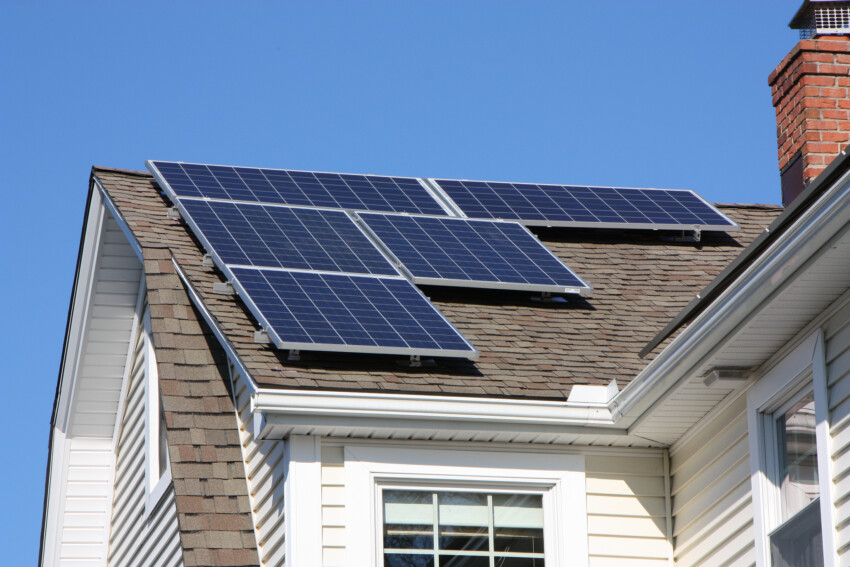
The installation process can take anywhere from a few days to a few weeks depending on the size of the system and the complexity of the roof.
Solar panels are also available in a range of sizes, with most panels measuring around 65 inches by 39 inches and producing between 250 and 400 watts of power.
The power output of a solar panel is affected by a variety of factors, including the angle of the panel, the amount of sunlight it receives, and the efficiency rating of the panel.
In terms of durability, solar panels are designed to withstand harsh weather conditions and typically have a life span of 25 to 30 years.
They are also fire-resistant and made from materials like metal, which further enhances their longevity.
While solar panels can be cost-effective in the long run, the initial installation rates can be high.
Despite that, there are many providers and solar installers who offer competitive rates and financing options to make solar energy more accessible to homeowners.
Overall, solar panels are a reliable and efficient source of residential renewable energy that can help homeowners lower their energy bills.
Comparing Costs and Efficiency
When it comes to comparing the costs and efficiency of solar shingles and solar panels, there are a few key differences to consider.
Solar Shingles vs Solar Panels Cost
Solar panels are generally more cost-effective than solar shingles. The upfront costs of solar panels are typically lower than those of solar shingles, and solar panels deliver up to double the efficiency of solar shingles.
Unless a homeowner is installing a new roof or starting a new build, PV panels will consistently deliver more power at a lower cost. Even in those instances, solar panels will likely be more cost-effective.
According to a Forbes article, solar shingles are more expensive than solar panels, given that they’re still a new technology.
They cost twice as much as solar panels. Depending on roof size and wattage, prices range from anywhere between $60,000 to $75,000.
Solar Shingles vs Solar Panels Efficiency
Solar panels are also more efficient than solar shingles. Solar panels are designed to maximize energy production, while solar shingles are designed to blend in with the roof and provide a more aesthetically pleasing appearance.
This means that solar panels will generally produce more power than solar shingles.
Investment
The investment required for both solar shingles and solar panels can vary depending on the size of the system and the amount of electricity needed.
Having said that, solar panels are generally a better investment due to their lower upfront costs and higher efficiency.
Warranty
Both solar shingles and solar panels come with warranties. Solar shingles typically come with a 25-year warranty, while solar panels can come with a warranty of up to 30 years.
It’s important to read the warranty carefully and understand what it covers before making a decision.
Tax Benefits
Homeowners who install solar shingles or solar panels may be eligible for tax benefits, including the federal solar tax credit.
The federal solar tax credit allows homeowners to deduct a percentage of the cost of their solar installation from their taxes.
This can help offset the upfront costs of the system and make it more cost-effective over time.
Utility Bill Savings
Both solar shingles and solar panels can help homeowners save money on their utility bills.
By generating their own electricity, homeowners can reduce their reliance on the grid and lower their monthly utility bills.
The amount of savings will depend on the size of the system and the amount of electricity needed.
Power Warranty
In addition to the standard warranty, solar panels come with a power warranty. This warranty guarantees that the panels will produce a certain amount of power over a certain period of time.
If the panels fail to meet this guarantee, the manufacturer will replace or repair them at no cost to the homeowner.
Overall, while solar shingles may be more aesthetically pleasing, solar panels are generally a better investment due to their lower upfront costs and higher efficiency.
So, homeowners should carefully consider their individual needs and budget before making a decision.
Installation and Maintenance
When it comes to installation, solar panels and solar shingles require different processes.
Solar panels are installed on top of an existing roof using a frame system, while solar shingles replace traditional roofing tiles or shingles and become the roof itself.
This means that solar shingle installation requires more work and can take longer than solar panel installation.
It is important to hire a licensed and experienced installer for both solar panels and solar shingles.
A professional installer can ensure that the installation process is done correctly and safely.
It is also important to consider the functionality of the solar system and its impact on the existing roof.
During the installation process, it is important to consider airflow and climate.
Proper airflow is necessary to ensure that the solar system works efficiently and does not overheat.
Climate can also affect the performance of the solar system, so it is important to choose a system that is appropriate for the climate in which it will be installed.
Maintenance is also an important factor to consider when choosing between solar panels and solar shingles.
Both systems require regular maintenance to ensure that they are functioning properly. This includes cleaning the panels or shingles to remove any dirt or debris that may be blocking sunlight.
In terms of maintenance time and cost, solar panels may be easier and less expensive to maintain than solar shingles.
Solar shingles require more care and attention due to their design and placement on the roof. It is important to contact the manufacturer or installer for specific maintenance instructions and recommendations.
Overall, choosing between solar panels and solar shingles depends on the specific needs and preferences of the homeowner.
It is important to consider factors such as installation time, functionality, and maintenance when making a decision.
Choosing the Right Option
When it comes to choosing between solar shingles and solar panels, there are several factors to consider.
Here are some of the most important factors to help you make an informed decision:
Efficiency
Solar panels are generally more efficient than solar shingles. This means that they can generate more electricity per square foot of space.
Even so, this does not mean that solar shingles are not a viable option. It depends on the amount of energy you need and the space available on your roof.
Investment
Solar panels are generally less expensive than solar shingles. In any case, the cost of installation can vary depending on the complexity of your roof and the brand you choose.
Solar shingles may be a better option if you need to replace your roof anyway, as they can be integrated into the roof itself.
Durability
Both solar shingles and solar panels are durable and can withstand harsh weather conditions. That said, solar shingles may be more prone to damage if they are not installed properly.
It is important to choose a reputable installer to ensure that your solar system is installed correctly.
Aesthetics
Solar shingles are more aesthetically pleasing than solar panels, as they blend in with the roof. This can be especially important if you are concerned about curb appeal.
Just the same, solar panels can also be attractive if they are installed correctly and in a way that complements the design of your home.
Practicality
Solar panels are generally larger than solar shingles, which means that they may not be practical for all roofs.
Solar shingles are smaller and more flexible, which makes them a better option for roofs with irregular shapes or limited space.
Financial
Both solar shingles and solar panels can help you save money on your energy bills and increase the value of your home.
Regardless, it is important to consider the upfront cost of installation and the potential savings over time.
You may also be eligible for solar incentives and tax credits, which can help offset the cost of installation.
In summary, choosing the right option between solar shingles and solar panels depends on several factors, including efficiency, investment, durability, aesthetics, practicality, and financial considerations.
It is important to do your research and choose a reputable installer to ensure that your solar system is installed correctly and performs at its best.
Frequently Asked Questions
Are solar shingles as efficient as solar panels?
Solar shingles are less efficient than traditional solar panels. While they are able to generate electricity, they have a lower power output than solar panels. This means that more solar shingles are needed to produce the same amount of energy as a solar panel.
What are the drawbacks of solar shingles?
One of the main drawbacks of solar shingles is their cost. They are generally more expensive than traditional solar panels. Additionally, they are less efficient than solar panels, which means that more shingles are needed to produce the same amount of energy as a solar panel. This can make installation more complicated and expensive.
How much more expensive are solar shingles as opposed to solar panels?
Solar shingles are generally more expensive than traditional solar panels. The cost of solar shingles can vary depending on the brand, the complexity of the roof, and the size of the installation. However, on average, solar shingles can cost up to two or three times more than traditional solar panels.
What is the difference between solar panels and solar roofs?
Solar panels are a type of solar energy system that is installed on top of a roof or on the ground. They are designed to generate electricity from sunlight and can be used to power homes, businesses, and other buildings. Solar roofs, on the other hand, are a type of roofing material that is designed to generate electricity. They are made up of solar shingles or tiles that are integrated into the roof itself.
What are the best solar shingles available?
There are several brands of solar shingles available on the market. Some of the most popular brands include Tesla Solar Roof, CertainTeed Apollo II, and SunTegra Solar Roof Systems. Each brand has its own unique features and benefits, so it’s important to do your research to find the best option for your needs.
Where can I find Solar shingles for sale?
Solar shingles can be purchased through a variety of sources, including solar panel manufacturers, roofing companies, and home improvement stores. It’s important to do your research and compare prices and features to find the best option for your needs.