How to Identify Types of Roof Damage To Save You Money and Extend Your Roof Life
Roof damage can occur naturally through aging and extreme weather conditions, or from poor construction and lack of maintenance.
Understanding the different types of roof damage is important for catching problems early on and avoiding more serious issues down the line.
1. Roof Nail Pops
Roof nail pops, also called “backed-out nails”, are probably the most common of all types of roof damage.
They can occur when the roofing nails that secure the shingles are forced back and out of the roof sheathing from changes in pressure caused by swelling and shrinking of the surrounding wood.
This is due to cyclical shifts in humidity and temperature, which causes either expansion or contraction of the wood roof sheathing.
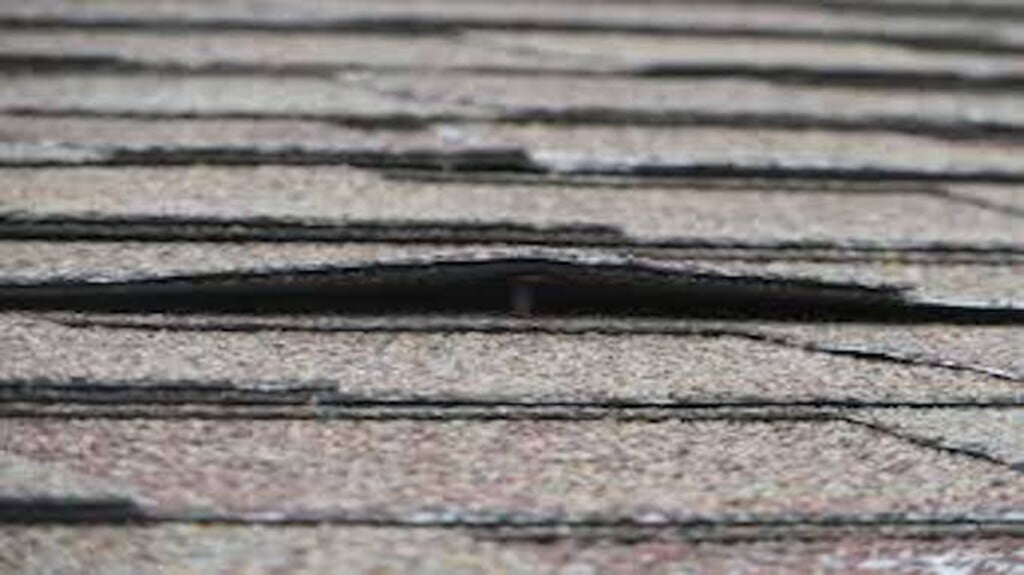
Constant fluctuations can reduce its ability to hold the nail in place, resulting in a visible roof nail pop where asphalt shingles are lifted or punctured.
These issues are more common on roofs with poorly ventilated attics and those installed when the roof sheathing was not dry.
2. Roof Damage By Hail
Hail is one of the most destructive types of roof damage.
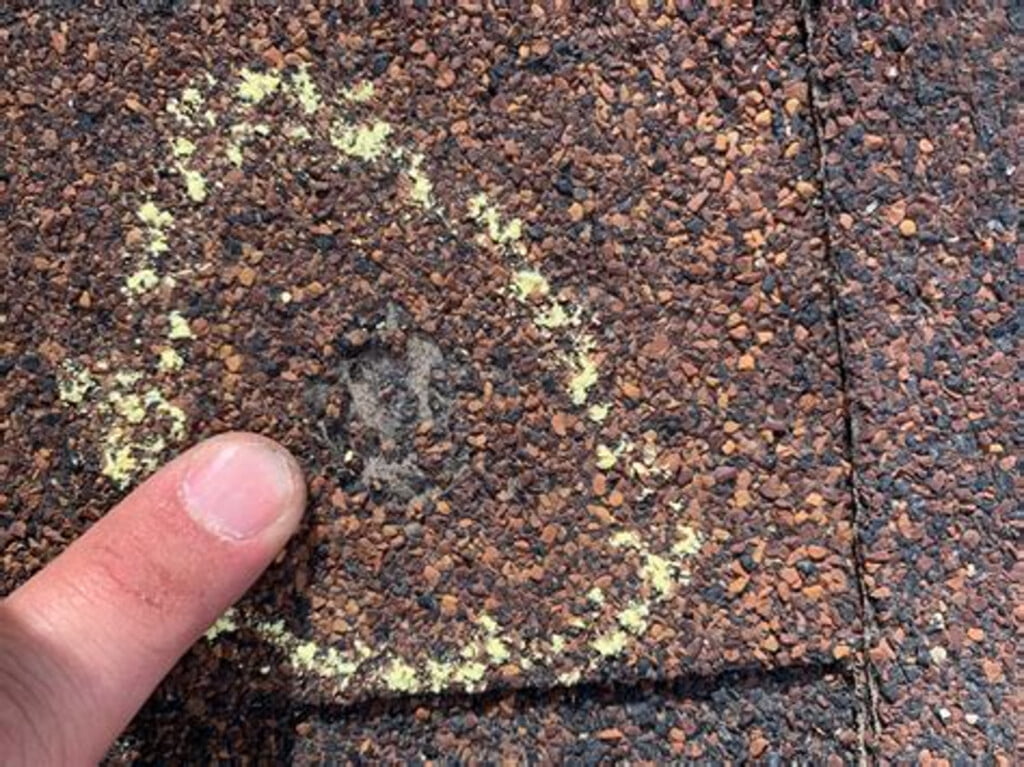
The large, solid ice chunks fall at high speeds and can easily cause dents and other issues with metal, clay, and asphalt shingle roofs.
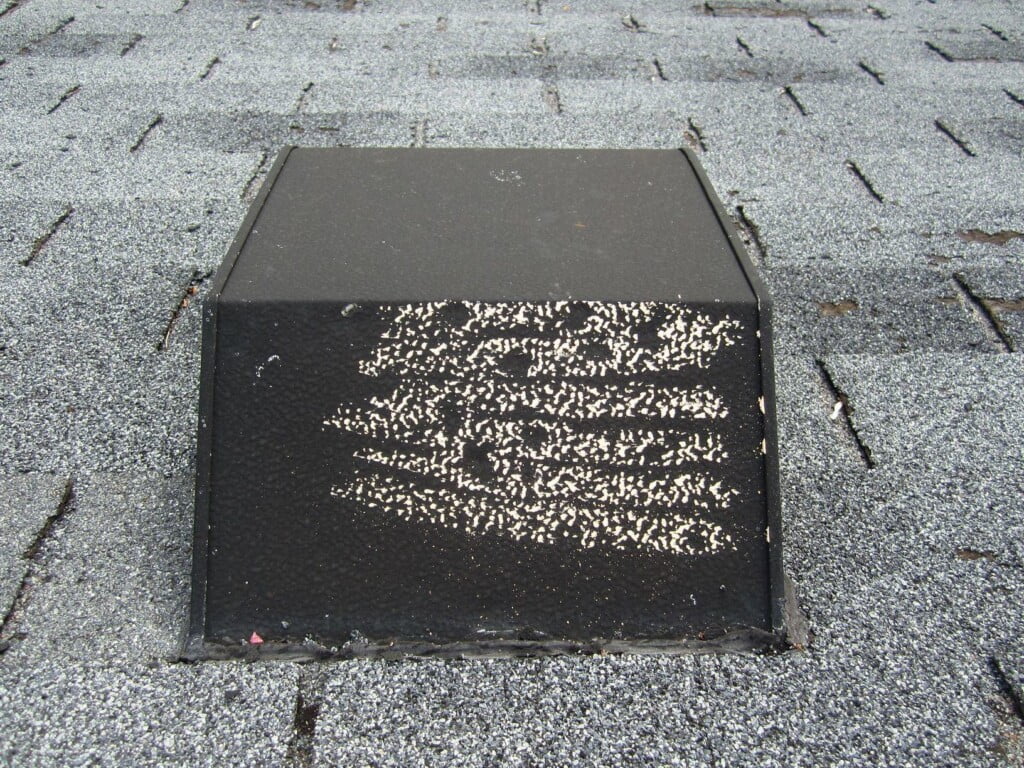
Roof damage by hail will be evident in form of round impact damage on roof materials including roof vent hoods.
This damage is not always evident from the ground view and most often must be identified by a close up inspection of your roof.
If you spot any damaged areas after a hail storm or would like a closeup on the roof inspection by a professional, contact your local roofer for further inspection and repairs.
3. Ice Roof Damage
Ice can be even more damaging than hail, depending on the type of roof you have.
During the winter, the water that leaks in through dents or punctures in your roof may freeze and expand, leading to further damage.
If the ice accumulates around downspouts and other areas of your gutters, it can put additional weight on your gutters and cause sagging or cracks in your system.
Be sure to inspect your roof for signs of ice roof damage after each snowfall and have a professional make prompt repairs to prevent further damage to your home.
4. Wind Roof Damage
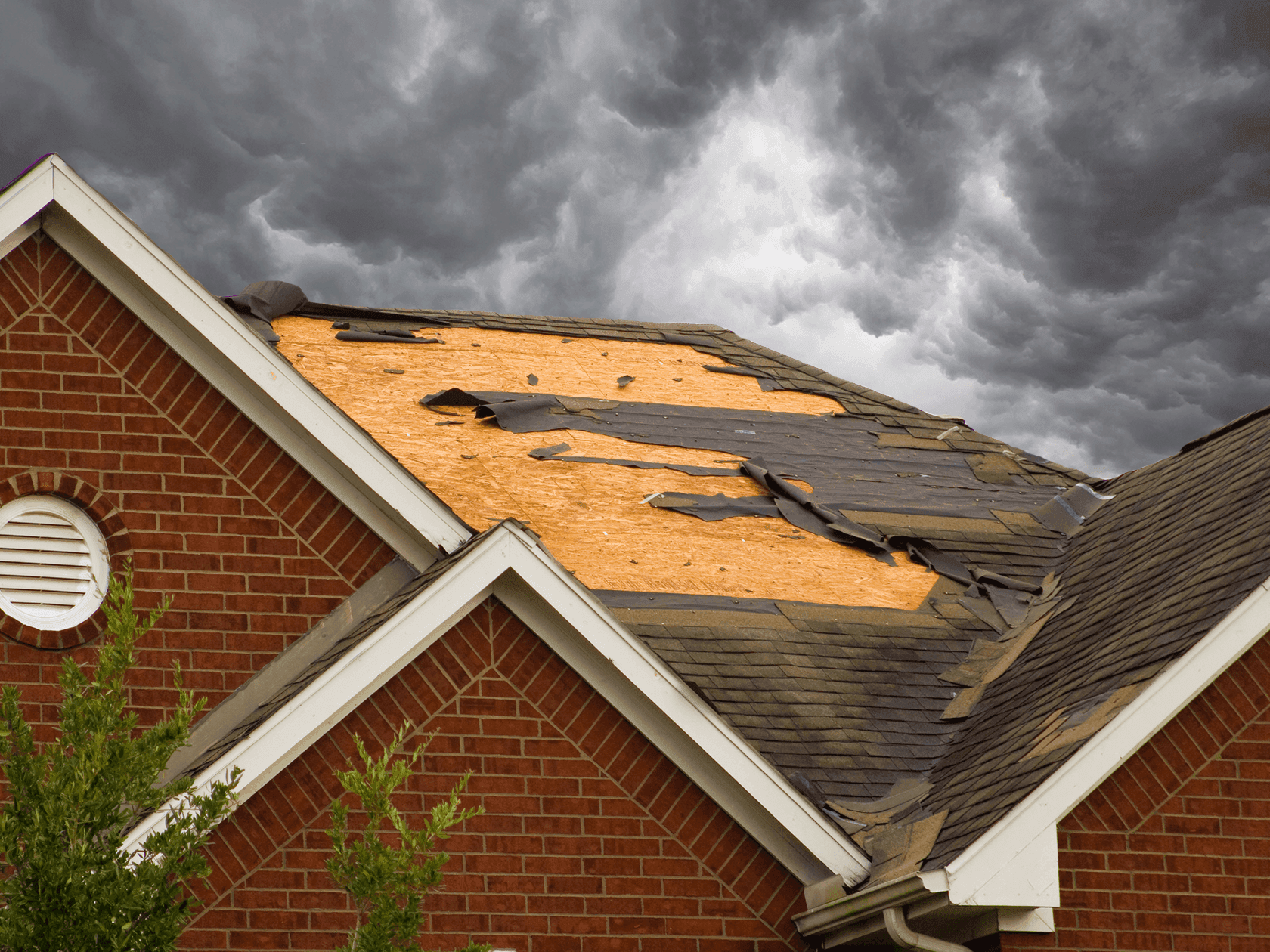
Wind can cause a variety of types of roof damage, depending on the strength and direction.
Minor damage can be as small as creasing in the roof tile or making it easily lifted from the roof surface.
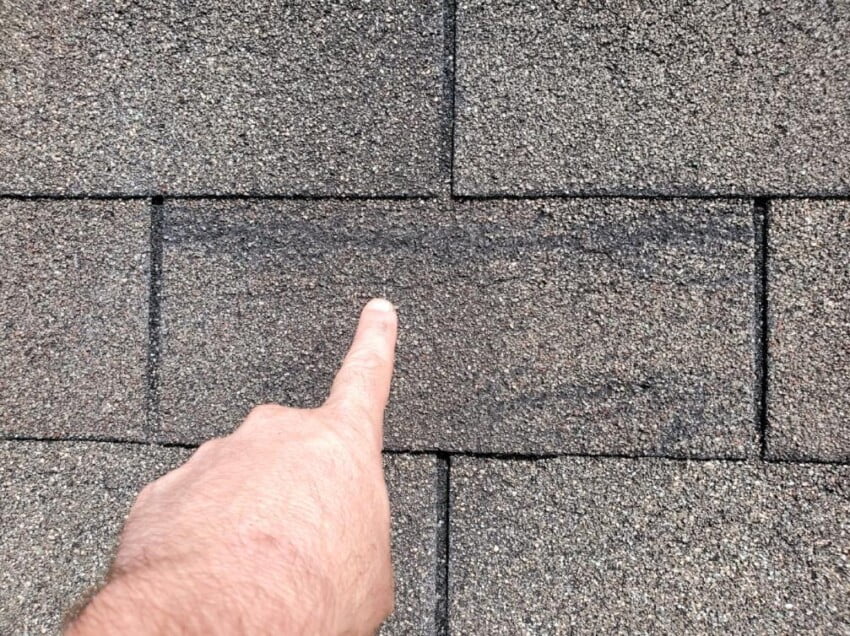
High winds paired with hail can strip shingles off your roof or tear off pieces of rolled roofing, exposing your home’s underlying materials to further damage.
Strong winds may also uproot vents or other objects attached to the roof, causing water to enter through the breach and rotting the exposed portions of your roof.
Have a certified inspector check for any signs of wind roof damage after severe storms, especially if you live in an area prone to high wind gusts or tornadoes.
5. Water In Roof Damage
Water damage, also known as wet roofing or moisture intrusion, can occur when water enters your roofing system.
This is usually caused by improper installation of flashings, a missing shingle layer, worn-out sealant, or a deteriorated roof deck.
Roofs that are not properly sealed or ventilated may attract additional moisture and eventually cause leaks in the attic and ceilings.
Inspect your roof for any noticeable signs of water damage and make sure to replace or repair all damaged sections immediately in order to avoid further damage.
6. Roof Damage From Tree or Other Fallen Debris
One of the most common forms of roof damage comes from falling debris, such as trees or tree branches.
Any kind of debris can cause a significant amount of damage to the surface of your roof, leading to puncture holes and cracked shingles that require professional repairs.
To prevent this type of roof damage from happening, keep your trees and other nearby objects properly trimmed away from the roof.
Additionally, regularly sweep the roof at least once a year to eliminate any unwanted debris or material buildup.
7. Blistering Shingles
Blistering shingles are a sign that water has infiltrated the roofing material and the shingles are potentially at risk of becoming loose.
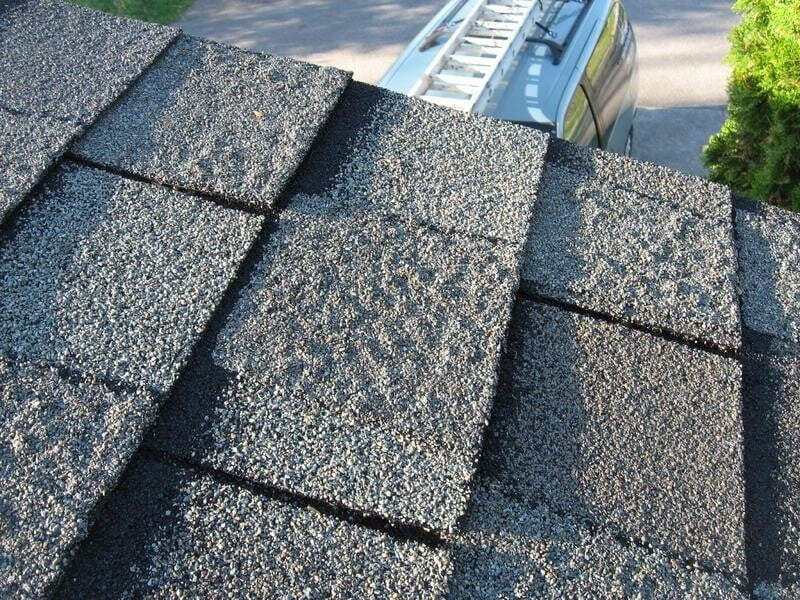
If you see blistering, it generally indicates an issue with ventilation in the attic, as a lack of airflow can cause excess moisture to build up, leading to blisters in the shingles.
8. Cracked and Loose Shingles
Loose and cracked shingles are caused by severe weather conditions such as hail, snow, high winds, and hail.
They can also be caused by issues with the installation of the roof itself, or due to aging.
Loose and cracked shingles are not only aesthetically displeasing but they can also lead to leaks in your roof.
As soon as you see any loose or cracked shingles it is important to repair them or have a professional repair them immediately to avoid further damage down the line.
9. Missing Shingles
Missing shingles can be caused by any number of issues from high-speed winds or hail, animals or people sticking their feet up on the roof, or if the shingles have not been properly secured.
In addition to raising the risk of leaks, missing shingles can cause further damage over time as the rest of the roof is unprotected in those areas.
It’s important to replace any missing shingles immediately so your roof has maximum protection and no damages occur.
10. Damaged Flashing
Areas of a roof that join with chimneys, skylights, walls, and other angles such as pipe vents are guarded by sheet metal margins called flashing.
Over time, however, the flashing can become loose or corroded.
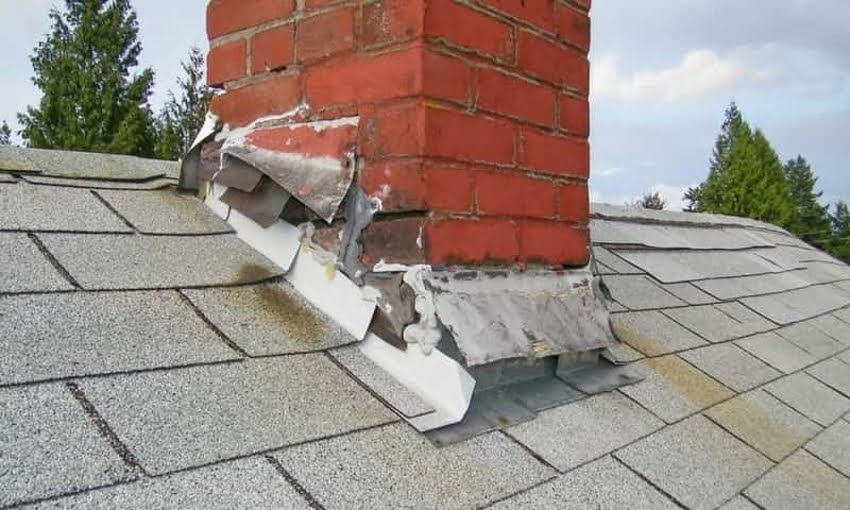
If this happens or the nearby shingles start to curl/split/crack, this could lead to a situation where water can penetrate through the wall for example.
In such cases, it would be necessary to replace the entire flashing area and ensure proper replacement to ensure total protection from the rain.
11. Moss Roof Accumulation
Moss and fungus growth can be found on the north side of a roof that commonly is shaded by trees.
This kind of vegetative growth requires regular maintenance and cleaning as, otherwise, it can lead to mold buildup and roof decay over time.

Your roof should always be inspected for moss or fungus accumulation, as these could lead to water leakages.
With a large amount of moisture associated with this type of condition, it is strongly suggested that a professional pays a visit to treat the problem at hand prior to any further damage developing.
In conclusion, it is important to be aware of the different types of roof damage that can occur.
Many times, these problems can be fixed by a simple repair, while more severe damage may require a replacement.
In either situation is best to contact a professional to help determine the best course of action for your roof.
Why not give us a call today or fill out our booking form below to schedule your FREE Roof Inspection today!
 Anderson City, KYAlton, KYAlton Station, KYBagdad, KYBardstown, KYBecknerville, KYBerea, KYBiddle, KYBloomfield, KYBrannon Woods, KYBridgeport, KYBryantsville, KYBuckeye, KYBurgin, KYCenterville, KYChristianburg, KYClintonville, KYColby, KYComishville, KY
Danville, KYDry Ridge, KYElizabethtown, KYElkin, KYEminence, KYFlemingsburg, KYFord, KYFrankfort, KYGeorgetown, KYGlensboro, KYGratz, KYHatton, KYHarrisonville, KYHarrodsburg, KYHigh Bridge, KYJunction City, KYKeene, KYIrvine, KYKirksville, KY
Lancaster, KYLawrenceburg, KYLebanon, KYLexington, KYLockport, KYMackville, KYMidway, KYMillville, KYMinorsville, KYMonterey, KYMt Eden, KYNicholasville, KYPaint Lick, KYParis, KYPeaks Mill, KYPerryville, KYPinckard, KYPleasureville, KYRichmond, KY
Sadieville, KYSalvisa, KYShelbyville, KYSimpsonville, KYSpringfield, KYStamping Ground, KYStanford, KYStony Point, KYTaylorsville, KYThree Forks, KYVersailles, KYWaddy, KYWhite Sulphur, KYWilliamstown, KYWillisburg, KYWilmore, KYWinchester, KYWoodlake, KYWyandotte, KY