
Curious About What Does A Roofing Inspector Look For?
If you are, we will help you discover the key elements that catch the eye of a professional roof inspector.
Uncover crucial insights into what a thorough roof examination entails and understand the critical factors that demand roof repair or roof replacements.
During an exterior roof inspection, the inspector will check the roof’s shingles, flashing, gutters, and downspouts for any signs of damage.
They will also look for any debris or moss buildup that could potentially damage the roof.
On the other hand, during an interior roof inspection, the inspector will check the attic for proper insulation, ventilation, and signs of water damage or leaks.
Overall, a thorough roof inspection can help homeowners identify any potential problems before they turn into costly repairs.
By conducting regular roof inspections, homeowners can extend the lifespan of their roofs and protect their homes from damage caused by leaks or other issues.
Dive into the intricacies of a roof inspection process to gain comprehensive knowledge about what does a roof inspector look for below.
Key Takeaways
- A professional roof inspector will check all components of the roof, including the exterior and interior, for signs of damage or wear and tear.
- During an exterior roof inspection, the inspector will check the roof’s shingles, flashing, gutters, and downspouts for any signs of damage.
- By conducting regular roof inspections, homeowners can extend the lifespan of their roof and protect their home from damage caused by leaks or other issues.
What is a Roof Inspection
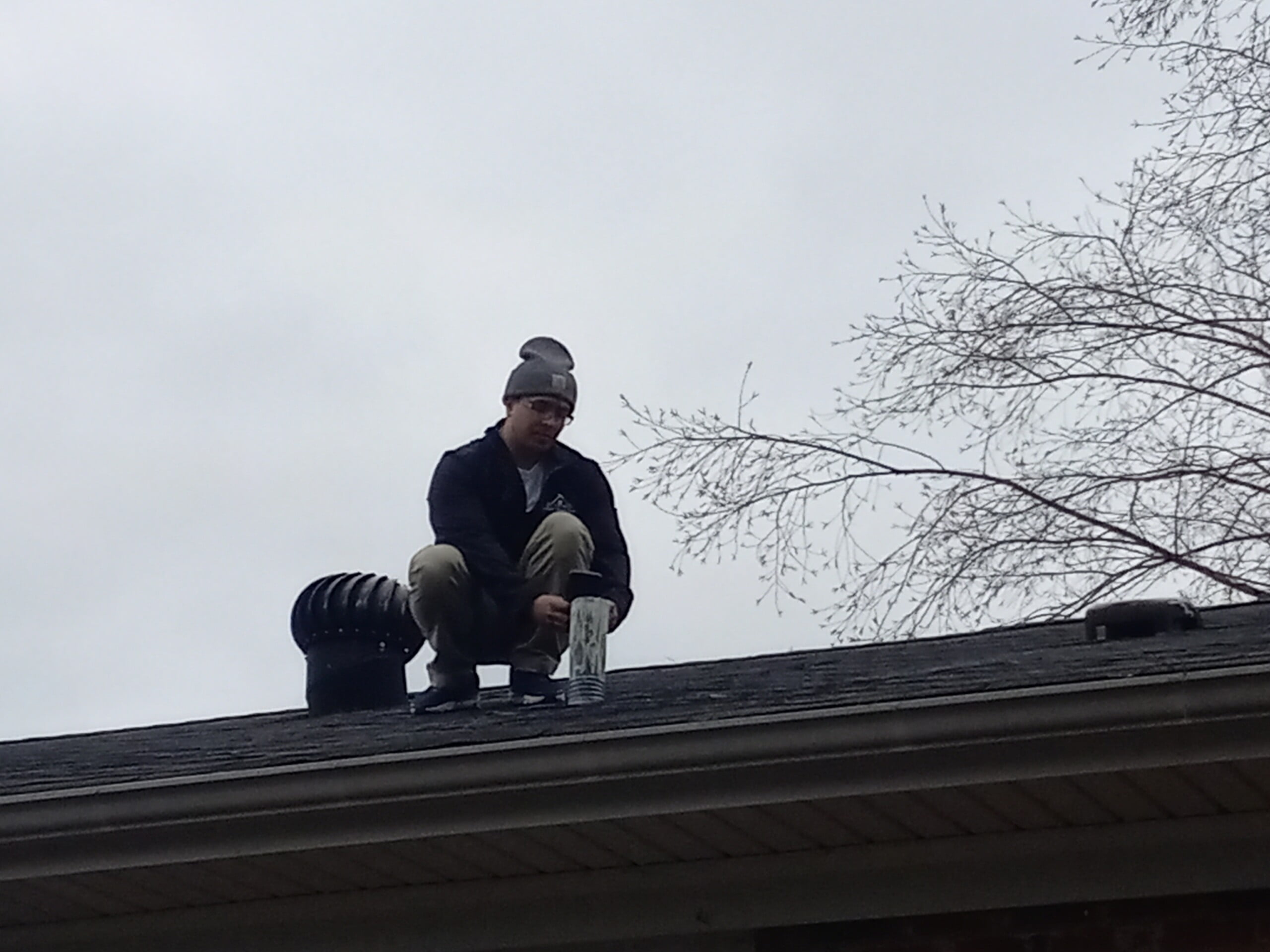
A roof inspection is a professional service that evaluates the condition of a roof. It is typically performed by a trained and certified roof inspector who has the necessary knowledge, skills, and equipment to assess the roof’s quality and identify any issues that may require repair or replacement.
A roof inspection can be conducted using various methods, including visual inspection, infrared inspection, drone inspection, and other specialized techniques. The most common method is a visual inspection, which involves a thorough examination of the roof’s exterior and interior to identify any signs of damage, wear, or other issues.
[/et_pb_text][et_pb_text _builder_version=”4.23.1″ _module_preset=”default” text_line_height=”0em” ul_line_height=”1.7em” hover_enabled=”0″ global_colors_info=”{}” sticky_enabled=”0″]
During a roof inspection, the inspector will check for the following:
- Surface Materials: The inspector will examine the roofing materials for signs of damage, wear, or deterioration. This includes checking for cracks, missing shingles, curling, or other signs of wear and tear.
- Structural Support: The inspector will assess the roof’s structural support, including the rafters, trusses, and other components. This is important to ensure that the roof can support its own weight and any additional loads, such as snow or wind.
- Workmanship: The inspector will evaluate the quality of the roof installation, including the flashing, gutters, and other components. This is important to ensure that the roof is properly installed and will provide adequate protection against the elements.
- Interior Inspection: The inspector will enter the attic and examine the underside of the roof. This is important to check for signs of water leaks, such as water stains, mold, or dampness.
A regular roof inspection is recommended to maintain the roof’s integrity and prolong its lifespan. It is also important to have a roof inspection after severe weather events, such as hurricanes or hail storms, to check for any damage that may have occurred.
In summary, a roof inspection is a critical service that helps to ensure the safety, stability, and longevity of a roof. By identifying any issues early on, a roof inspection can help to prevent costly repairs or replacements down the line.
Why Roof Inspections Are Necessary
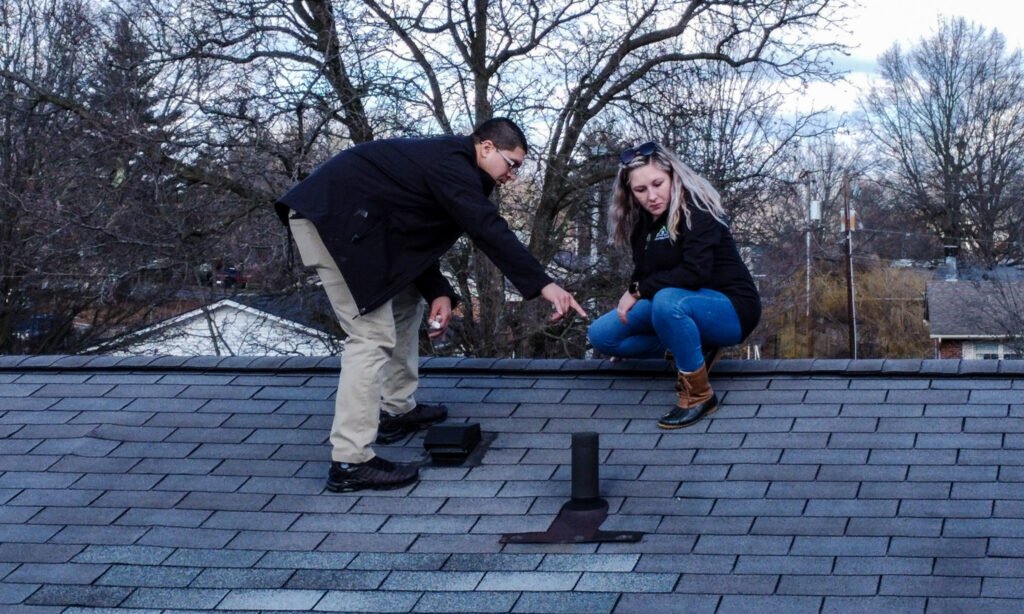
Regular roof inspections are crucial to maintaining the integrity and safety of your home. A professional inspector can identify potential issues early on, saving you from major headaches and expenses down the road. Here are a few key reasons why getting regular roof inspections is important:
Identify Potential Problems
A thorough inspection helps you detect any signs of damage or wear and tear on your roof. This includes missing or damaged shingles, cracks or splits in the roofing material, and signs of rust or corrosion. Identifying these issues early on can help prevent more serious problems from developing, such as leaks or structural damage.
Extend the Lifespan of Your Roof
A well-maintained roof can last for many years, but neglecting routine inspections and repairs can significantly shorten its lifespan. Regular inspections and maintenance can help you catch and address issues before they become major problems, which can extend the life of your roof and save you money in the long run.
Safety
Roof inspections can also help ensure the safety of your home and family. A damaged or deteriorating roof can pose a serious safety hazard, especially during severe weather conditions. Regular inspections can help identify and address potential safety issues before they become a danger to you and your loved ones.
Insurance Requirements
Many insurance companies require regular roof inspections as part of their policies. This is because a well-maintained roof is less likely to develop problems that could result in costly claims. If you fail to comply with your insurance company’s inspection requirements, you may be at risk of having your policy cancelled or your claims denied.
Professional Inspection
While it may be tempting to try and inspect your roof yourself, it’s best to leave this task to a professional inspector. They have the knowledge, experience, and safety equipment necessary to identify potential problems and make recommendations for repairs or replacement. Hiring a professional inspector can also help ensure that your inspections meet the requirements of your insurance company and any local building codes.
Roof Repairs and Replacement
If your roof does require repairs or replacement, a professional inspector can help you make an informed decision about the best course of action. They can provide you with a detailed report of your roof’s condition and make recommendations for repairs or replacement based on your budget and the overall condition of your roof.
Choosing a Roofing Contractor
If you do need to have your roof repaired or replaced, it’s important to choose a reputable roofing contractor. Your professional inspector may be able to provide you with recommendations for contractors in your area, or you can do your own research to find a contractor with a good reputation and the necessary licensing and insurance.
In summary, regular roof inspections are an essential part of maintaining the safety and integrity of your home. By identifying potential problems early on, extending the lifespan of your roof, and ensuring compliance with insurance requirements and building codes, you can help protect your home and your family for years to come.
The Roof Inspection Process
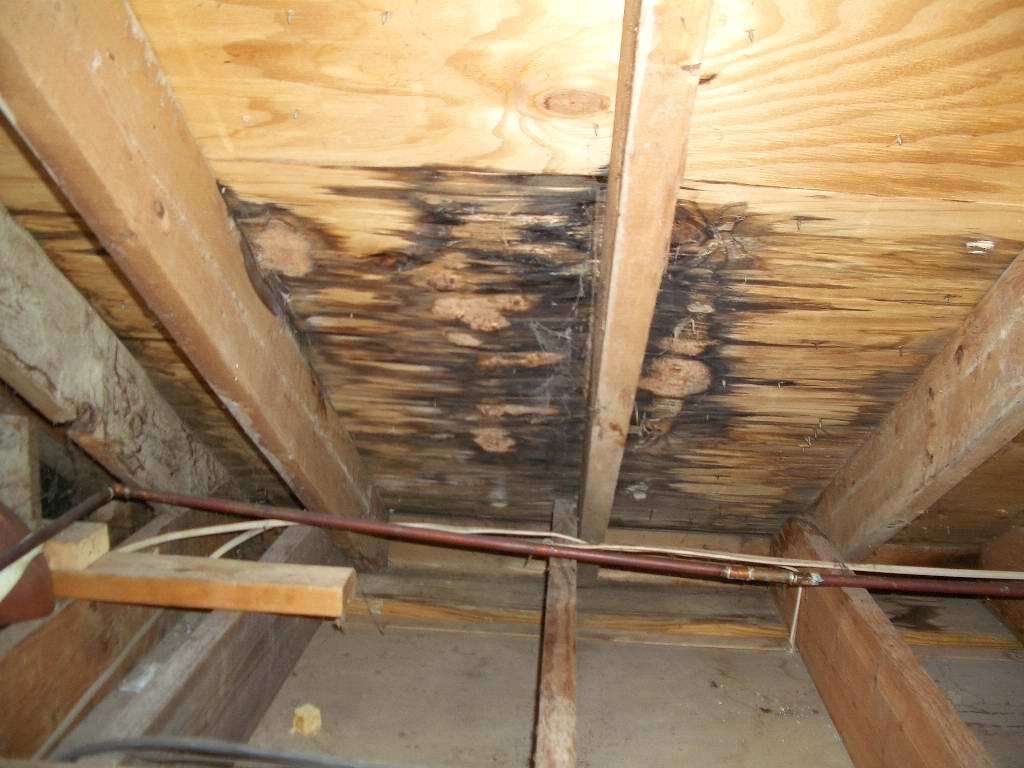
During an interior roof inspection, the inspector will examine the underside of the roof from inside the attic. The attic provides a clear view of the roof decking and insulation. The inspector will look for signs of water leaks, such as water stains, mold, or dampness on the insulation and decking. If there are any signs of water damage, the inspector will investigate further to determine the source of the leak.
The inspector will also check the venting in the attic. Proper venting is necessary to prevent moisture buildup, which can lead to mold growth and damage to the insulation. The inspector will check the vent pipes to ensure that they are properly sealed and vented to the outside.
If the attic is not accessible, the inspector may need to examine the interior of the home for signs of water damage. The inspector will look for water stains on the ceiling and walls, which can indicate a leak in the roof. Staining on the ceiling or walls can be a sign of a leak that has been ongoing for some time.
During the interior inspection, the inspector will also evaluate the insulation. The insulation should be dry and in good condition. If the insulation is wet or damaged, it may need to be replaced.
Overall, the interior roof inspection is an important part of the inspection process. It allows the inspector to identify any potential issues with the roof, such as leaks or inadequate venting. By identifying these issues early, the homeowner can take steps to address them before they become more serious problems.
Common Roof Issues and Damage
Roof inspections are important to identify any issues or damage that may cause problems in the future. Here are some common roof issues and damage that a roof inspector looks for:
- Leaks and Water Damage: Leaks and water damage are the most common issues that a roof inspector looks for during an inspection. Water damage can cause mold growth and rot, which can lead to structural damage if left untreated.
- Sagging: Sagging is a sign of structural damage and can be caused by several factors, including a damaged roof deck or too much weight on the roof.
- Rot and Deterioration: Rot and deterioration are common problems in older roofs. A roof inspector will look for signs of rot and deterioration in the roof deck, fascia, and soffits.
- Wear and Tear: Wear and tear are natural occurrences in any roof. A roof inspector will look for signs of wear and tear, including cracked or missing shingles, granule loss, and curling.
- Pests and Animals: Pests and animals can cause damage to a roof by chewing through the roof deck, fascia, and soffits. A roof inspector will look for signs of pest and animal damage during an inspection.
- Rust and Stains: Rust and stains can be a sign of water damage or metal corrosion. A roof inspector will look for signs of rust and stains on metal roofs and flashing.
- Holes and Openings: Holes and openings in the roof can be caused by several factors, including storm damage, wear and tear, or animal damage. A roof inspector will look for signs of holes and openings during an inspection.
Overall, a roof inspector is looking for any issues or damage that may compromise the integrity of the roof and the safety of the occupants. Identifying and addressing these issues early can save homeowners from costly repairs in the future.
Roof Inspection Costs
The cost of a roof inspection can vary depending on several factors such as location, size, and complexity of the roof, level of expertise of the inspector, and specific services included in the inspection. On average, a residential roof inspection can cost anywhere from $75 – $675. However, prices can range higher for larger or more complex roofs.
A simple visual inspection generally costs between $200 and $300, but the price can fluctuate between $125 and $340. If the roof is too difficult to access, the homeowner may need to pay $150 to $400 for a drone roof inspection. The most expensive type of inspection is an infrared roof inspection, which costs between $400 and $600. Infrared technology allows inspectors to look for damage that’s invisible to the naked eye.
It’s important to note that a roof inspection cost is a small price to pay compared to the cost of repair or replacement if a problem is not detected early on. A roof inspection can identify potential problems before they become major issues, saving homeowners money in the long run.
In some cases, a roof inspection may reveal the need for repair or replacement. The cost of repair or replacement can vary widely depending on the type of roof, the extent of the damage, and the materials used. The cost of repair can range from $100 to $1,000, while the cost of replacement can range from $5,000 to $10,000 or more. It’s important to get multiple estimates from reputable contractors before making a decision on repair or replacement.
What Does A Roof Inspector Look For
Roofs are exposed to various weather conditions throughout the year, and this exposure can cause significant damage to the roof. Some of the most common weather-related issues that a roof inspector looks for include snow, wind, severe weather, ice dams, and fall.
Snow can cause significant damage to a roof, especially if it is not removed promptly. The weight of snow can cause the roof to collapse, and it can also cause water damage if it melts and seeps into the roof. A roof inspector will check the roof for signs of snow damage, such as cracks, leaks, and water stains.
Wind is another common cause of roof damage. Strong winds can cause shingles to lift or blow off the roof, leaving the underlying roof structure exposed to the elements. A roof inspector will look for signs of wind damage, such as missing or damaged shingles, and check for any underlying damage to the roof structure.
Severe weather, such as thunderstorms and hurricanes, can also cause significant damage to a roof. High winds, heavy rain, and hail can all cause damage to the roof, and a roof inspector will check for signs of damage, such as missing or damaged shingles, cracks, leaks, and water stains.
Ice dams are a common problem in colder climates, and they can cause significant damage to a roof. Ice dams form when snow on the roof melts and refreezes at the edge of the roof, creating a barrier that prevents water from draining off the roof. This can cause water to back up under the shingles, leading to leaks and water damage. A roof inspector will check for signs of ice dam damage, such as water stains, leaks, and damage to the shingles and roof structure.
Fall is also a critical time for roof inspections. Leaves, branches, and other debris can accumulate on the roof, causing damage to the shingles and roof structure. A roof inspector will check for signs of fall damage, such as debris on the roof, clogged gutters, and damage to the shingles.
In summary, weather plays a significant role in roof damage, and a roof inspector will check for signs of damage caused by snow, wind, severe weather, ice dams, and fall. It is essential to have your roof inspected regularly to ensure that any damage is detected and repaired promptly.
Recommendations After a Roof Inspection
After a thorough roof inspection, the inspector may recommend certain actions to ensure the roof’s longevity and safety. These recommendations may include repairs, maintenance, or even a full roof replacement, depending on the severity of the issues found during the inspection.
If the inspector finds any issues that require repairs, it is important to address them promptly. Delaying repairs can lead to more extensive damage and higher repair costs in the future. The inspector may provide a list of recommended repairs and prioritize them based on their urgency.
In addition to repairs, the inspector may also recommend regular roof maintenance to ensure the roof’s longevity. This may include cleaning gutters, removing debris, and trimming nearby trees to prevent damage from falling branches.
If the inspector determines that a full roof replacement is necessary, they may provide recommendations for materials and contractors. It is important to choose a reputable contractor who can provide quality workmanship and warranties on their work.
Overall, following the recommendations provided by the roof inspector can help ensure the safety and longevity of the roof. Regular inspections and maintenance can also help prevent costly repairs and replacements in the future.